The Digital Canvas Revolution
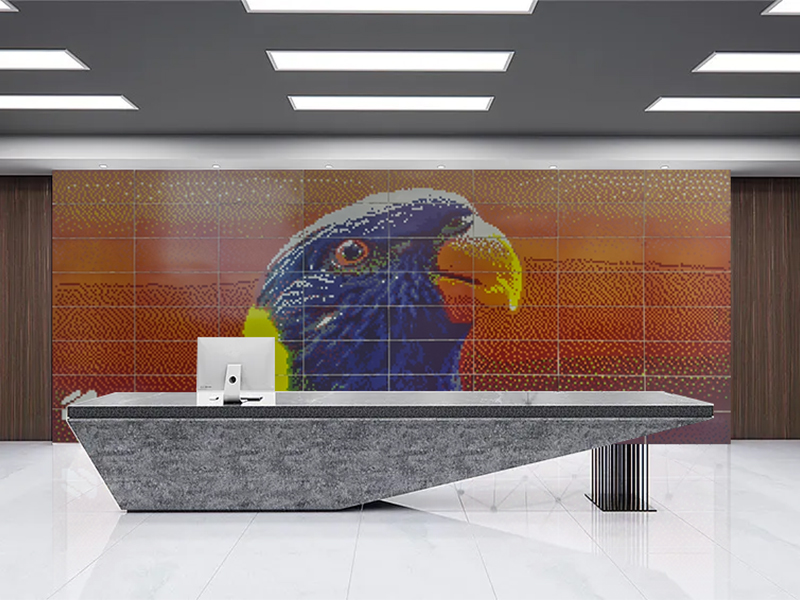
Imagine walking into a space where every wall is not a static entity but a vibrant display, shifting seamlessly from art to advertisements. This isn’t a scene from a sci-fi movie; it’s the promise of the electronic paper wall. Data has shown that these innovative walls can adapt in real-time, yet many businesses still stumble when integrating this technology into their spaces. Why? The answer often lies in overlooked user interactions and traditional installation pitfalls.

Are You Ready for Transformation?
When considering implementing an electronic paper wall, many teams dive straight into flashy designs and ambitious ideas. During my years in the industry, I vividly recall one company’s struggle to manage their e-ink installations. Their team was largely focused on aesthetics, but they missed the mark on user engagement and functionality. This led to efficiency drops and unmet user expectations—all of which consistently come back to haunt the project. Proper alignment between user requirements and technological capabilities is vital; otherwise, you might find that your beautiful screens become just another expensive wall with little impact.
Turning Lessons into Future Success
Reflecting on past implementations, what I’ve seen countless times is the repeated mistake of neglecting the potential of the electronic paper wall. As we look forward, I firmly believe that the key to success lies in understanding real-world impacts and user feedback. Incorporating these elements ensures that as technology evolves, businesses can too. Transitioning from a primarily decorative use of e-ink you may find, for example, that many users prefer interactive content. The outcome? Enhanced engagement and greater return on investment, which makes your implementation not only innovative but also incredibly effective.
What’s Next in E-Ink Technology?
As we venture deeper into the possibilities of electronic displays, I find that a forward-thinking approach can significantly influence outcomes. Tech advancements are fast-paced—think beyond just installation; consider maintenance, adaptability, and scalability. I’ve learned that incorporating modular elements in design allows for easier updates and modifications, encouraging long-term viability. It’s like having a blank canvas that evolves with your needs instead of remaining ever-static.
Insights for Thoughtful Evaluation
To wrap it up, strategic planning is imperative. Evaluate performance metrics, user engagement levels, and return on investment—these are essential for any business looking to implement e-ink solutions successfully. Remember, it’s not just about what looks good on the wall; it’s about how effectively it serves your audience and reacts to their needs. I’ve seen businesses flourish—not just survive—by efficiently leveraging electronic paper technologies, provided they monitor these aspects closely. And if there’s one piece of advice I’d share from my years of expertise, it’s this: always keep your users at the forefront. Make decisions based on their needs, not just on how striking the designs are.
If you’re interested in exploring further, I encourage you to dive deep into the world of SEEKINK. The blend of cutting-edge technology with user-centric designs can pave the way for stunning, functional spaces that captivate and engage.