Glutathione is often discussed as an antioxidant that may influence melanin production, which is why oral supplements have attracted attention among people interested in brighter, more even-looking skin. However, an important question comes before choosing a supplement: how does glutathione actually get from a swallowed capsule into the body?
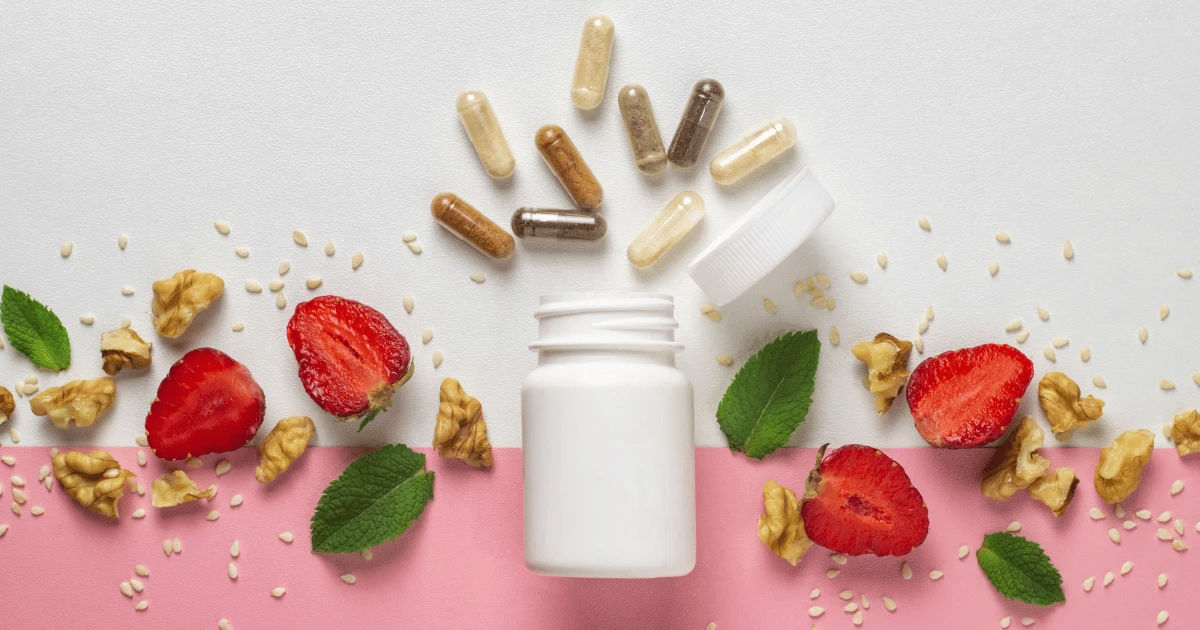
The answer is more complicated than simply saying that a pill enters the bloodstream and changes skin color. When you take best glutathione pills for skin whitening, the digestive system processes the glutathione before the body can use it. Some of the compound may be broken down, while some may become available through digestion and metabolism. Research also suggests that different formulations may behave differently in the body.
This guide explains the absorption process in simple terms, what can affect bioavailability, why formulation matters, and what current research actually says about oral glutathione and skin pigmentation. It is also important to separate reasonable scientific expectations from marketing claims, because the evidence for dramatic or permanent skin whitening remains limited.
What Is Glutathione?
Glutathione is a naturally occurring antioxidant made from three amino acids: cysteine, glutamic acid, and glycine. It is found in many tissues throughout the body and participates in several biological processes.
One of its major roles is helping cells manage oxidative stress. In simple terms, it helps the body deal with reactive molecules that can damage cellular components.
Glutathione also participates in biochemical pathways associated with pigmentation. This is one reason researchers have investigated whether increasing glutathione levels could influence melanin production.
Melanin is the pigment responsible for much of the natural color of the skin, hair, and eyes. Glutathione has been proposed to influence melanin formation by shifting some biochemical activity away from darker eumelanin toward lighter pheomelanin.
That does not mean that taking a glutathione supplement will automatically make someone's skin significantly lighter. Human studies have produced mixed results, and researchers continue to investigate the effectiveness and long-term sustainability of oral supplementation.
How Do Glutathione Pills Absorb?
The absorption of best glutathione pills for skin whitening begins when the capsule or tablet reaches the stomach and small intestine.
Unlike some small molecules that can pass relatively easily through the intestinal wall, glutathione is a peptide. The digestive system can break peptides down into smaller components.
This creates an important challenge for oral glutathione supplements. A portion of swallowed glutathione may be broken down before intact glutathione reaches the bloodstream.
The intestinal environment, digestive enzymes, transport mechanisms, and the body's own metabolism can all influence how much becomes systemically available.
This is why researchers often distinguish between the amount of glutathione swallowed and the amount that ultimately becomes available to the body.
A 2022 clinical review noted that gastrointestinal absorption of glutathione is relatively poor and discussed why oral delivery may produce lower bioavailability than routes that bypass some digestive processes.
However, newer research suggests the story may be more complicated than simply saying that oral glutathione is not absorbed. A small 2026 randomized crossover study comparing standard, liposomal, and micellar formulations found differences in systemic glutathione exposure between formulations. Because the study involved only 14 people, its results should be considered preliminary rather than definitive.
What Happens After You Swallow a Glutathione Supplement?
When someone takes best glutathione pills for skin whitening, several stages occur before any potential biological effect can happen.
Stage One: The Capsule Reaches the Digestive System
The capsule first travels through the stomach. Depending on its formulation, the capsule shell dissolves and releases its contents.
Food, stomach conditions, and the specific formulation can influence how quickly this process occurs.
The released ingredients then move into the small intestine, which is the primary location for nutrient absorption.
Stage Two: Glutathione Is Exposed to Digestive Processes
Glutathione can be affected by digestive enzymes and other conditions within the gastrointestinal tract.
Because glutathione consists of amino acids joined together in a peptide structure, it does not necessarily remain completely intact throughout digestion.
Some of the glutathione may be broken into smaller components. Those components can then be absorbed and used by the body for various metabolic purposes.
This is one reason oral glutathione absorption should not be viewed as a simple percentage printed on a supplement label.
Stage Three: Absorption and Metabolism Occur
After digestion, available glutathione or its constituent components can cross the intestinal barrier.
The liver and other tissues are involved in glutathione metabolism. The body can also synthesize its own glutathione from amino acids when the necessary materials and cellular conditions are available.
Consequently, the biological response to an oral supplement is not necessarily determined only by how much intact glutathione enters the blood.
This distinction is important when evaluating best glutathione pills for skin whitening because a product's labeled dose does not automatically tell you how much active glutathione will reach particular tissues.
Why Does Glutathione Formulation Matter?
Not all oral glutathione products are formulated in exactly the same way.
Traditional glutathione capsules may contain reduced glutathione, while some products use oxidized glutathione or specialized delivery systems.
Liposomal and micellar formulations are designed to alter how the compound interacts with the digestive environment and potentially improve systemic availability.
A recent pilot study comparing standard, liposomal, and micellar glutathione found that the micellar formulation produced greater systemic exposure than the standard formulation in that small group. Again, the research was preliminary, so it should not be interpreted as proof that one commercial formulation is universally superior.
When comparing best glutathione pills for skin whitening, formulation can therefore be more meaningful than simply choosing the product with the largest number of milligrams.
A higher dose does not necessarily equal proportionally better absorption.
Does Vitamin C Improve Glutathione Absorption?
Vitamin C is frequently included in glutathione supplements.
There is a biological reason for this combination. Vitamin C and glutathione are both involved in antioxidant systems, and vitamin C can participate in redox processes that interact with glutathione metabolism.
Some commercial formulations therefore combine glutathione with vitamin C and other antioxidant ingredients.
However, it would be an overstatement to claim that vitamin C automatically makes oral glutathione dramatically more absorbable.
For example, a randomized controlled study evaluated a supplement containing glutathione, vitamin C, alpha-lipoic acid, and zinc. The researchers found some differences in skin-related measurements in certain subgroups, but the primary differences between the supplement and placebo groups were not statistically significant.
Therefore, additional ingredients may have a biological rationale, but they should not be treated as guarantees of better skin-lightening results.
Does Taking Glutathione on an Empty Stomach Help?
People sometimes recommend taking best glutathione pills for skin whitening on an empty stomach because they believe this will improve absorption.
The theory is understandable. Food can change gastric emptying, digestive activity, and the timing of nutrient absorption.
However, there is not enough high-quality evidence to say that every person should take oral glutathione on an empty stomach for better skin results.
Product instructions can also differ depending on formulation and additional ingredients.
If a supplement causes nausea or stomach discomfort when taken without food, taking it according to the manufacturer's directions with food may be more practical.
The most important point is consistency and following the product's labeled instructions rather than assuming that an empty stomach guarantees superior absorption.
How Does Absorption Relate to Skin Whitening?
Absorption is only the first part of the story.
Even if glutathione reaches systemic circulation, it still has to interact with biological pathways that could potentially influence pigmentation.
Researchers have proposed several mechanisms for glutathione's effects on melanin production. These include changes in melanogenesis and the balance between different forms of melanin.
Some clinical trials have reported reductions in melanin measurements after oral glutathione supplementation.
For example, an earlier randomized placebo-controlled study used 500 mg of glutathione daily for four weeks. Researchers reported significantly greater reductions in melanin indices at two of the measured sites compared with placebo, although the findings were not uniform across every body site.
Another randomized study examined 250 mg daily of reduced or oxidized glutathione for 12 weeks and reported favorable changes in some skin measurements.
However, systematic reviews have emphasized that the overall evidence remains limited because studies are generally small, short-term, and inconsistent.
How Long Does Oral Glutathione Take to Work?
There is no scientifically established timeline that guarantees visible skin changes.
Some clinical studies have evaluated participants for four to twelve weeks, but study findings should not be interpreted as a promise that everyone will see results within the same period.
When people use best glutathione pills for skin whitening, expectations should therefore be realistic.
Skin pigmentation is influenced by genetics, sunlight, hormones, inflammation, age, and many other factors. A supplement cannot be expected to override all of these influences.
In addition, changes measured by instruments such as melanin indices are not necessarily identical to dramatic visible changes that someone might expect when they hear the phrase "skin whitening."
What Can Affect Glutathione Absorption?
Several factors may influence how oral glutathione behaves in the body.
Supplement Formulation
Standard, liposomal, and micellar formulations may have different absorption characteristics.
Digestive Health
The gastrointestinal tract is directly involved in processing oral supplements. Digestive conditions and individual differences can therefore affect nutrient and compound handling.
Dose
A larger dose does not automatically mean that the body will absorb a proportionally larger amount.
Other Ingredients
Some products contain vitamin C, alpha-lipoic acid, zinc, or other compounds. These ingredients may affect the overall formulation, although their presence does not guarantee better results.
Individual Biology
People vary considerably in metabolism, antioxidant status, diet, genetics, and other physiological characteristics.
That means the response to the same supplement can differ from one person to another.
Are the Best Glutathione Pills for Skin Whitening Proven to Work?
The short answer is that oral glutathione shows potential, but it is not proven to provide dramatic or permanent skin whitening for everyone.
A 2019 systematic review found some evidence of skin-brightening effects, particularly in sun-exposed areas, but concluded that the overall evidence was inconclusive because of limited study quality and inconsistent findings.
More recently, a 2025 systematic review identified several randomized studies reporting reductions in melanin measurements with oral glutathione. At the same time, it noted limitations in the evidence, including variable study quality and concerns about sustainability.
This is an important distinction.
There is a difference between saying that glutathione may influence pigmentation and saying that best glutathione pills for skin whitening will reliably make someone's skin several shades lighter.
The first statement has some scientific support. The second is much stronger than the available evidence allows.
What Should You Look for in an Oral Glutathione Supplement?
If someone is considering best glutathione pills for skin whitening, the sensible approach is to evaluate the product rather than simply choosing the highest advertised dose.
Look for clear labeling that identifies the amount and form of glutathione.
Check whether the manufacturer provides information about quality testing and manufacturing standards.
Avoid products that promise instant whitening, permanent changes, or guaranteed results.
It is also sensible to look at the complete ingredient list rather than focusing only on the glutathione amount.
People who take prescription medicines, are pregnant or breastfeeding, have chronic medical conditions, or have concerns about pigmentation should discuss supplementation with a qualified healthcare professional before starting it.
Oral Glutathione Compared With Other Delivery Methods
Glutathione can be delivered through oral supplements, topical products, and injectable approaches.
These methods are not interchangeable.
Oral supplementation has the advantage of convenience, but digestive processing can limit bioavailability.
Topical glutathione acts at the skin surface and may produce more localized effects, depending on the formulation.
Injectable glutathione can bypass gastrointestinal digestion, but that does not automatically make it safer or more appropriate. The safety concerns surrounding injectable glutathione are substantially different from those associated with ordinary oral supplements, and medical supervision is essential. A recent systematic review specifically raised concerns about intravenous glutathione and did not support it as a routine skin-lightening approach.
For this reason, people should not assume that increasing the delivery intensity will necessarily produce better cosmetic results.
Why Sunscreen Still Matters
Taking best glutathione pills for skin whitening while ignoring ultraviolet exposure is not a sensible strategy for maintaining brighter-looking skin.
UV radiation stimulates pigmentation and contributes to photoaging.
Even if glutathione influences melanin production, continuous sun exposure can work against efforts to maintain an even complexion.
Daily broad-spectrum sunscreen, appropriate protective clothing, and sensible sun avoidance are therefore important parts of any pigmentation-focused skincare routine.
This is especially relevant because some clinical studies have observed stronger effects in sun-exposed areas than in protected areas.
Common Misunderstandings About Glutathione Absorption
One common misunderstanding is that every milligram listed on a bottle enters the bloodstream unchanged.
That is not how oral supplements work.
Another misconception is that liposomal or micellar products are automatically superior in every situation. Early pharmacokinetic research is promising for some specialized formulations, but larger studies are needed.
A third misconception is that better absorption guarantees greater skin whitening.
It does not.
Higher systemic exposure may be relevant to biological activity, but pigmentation is a complex process involving many pathways.
Finally, "natural antioxidant" does not mean that a product is automatically suitable for everyone. Supplements can cause side effects or interact with medications, and long-term cosmetic use has not been studied as thoroughly as many marketing claims might suggest.
Conclusion
Understanding how best glutathione pills for skin whitening absorb requires looking beyond the supplement label. Oral glutathione enters a complicated digestive and metabolic process, and not all of the swallowed compound necessarily reaches the bloodstream in its original form.
The evidence suggests that formulation can influence bioavailability. Standard, liposomal, and micellar preparations may behave differently, and early research indicates that some specialized formulations could produce greater systemic exposure. However, the available evidence is still developing, particularly for newer delivery systems.
Research on skin pigmentation is similarly promising but not conclusive. Several clinical studies have reported reductions in melanin measurements after oral glutathione use, while other controlled research has found only modest or statistically nonsignificant benefits. Systematic reviews therefore describe the evidence as limited, inconsistent, and in need of larger, longer-term studies.
For anyone considering best glutathione pills for skin whitening, the practical lesson is simple: absorption matters, but absorption alone does not determine the cosmetic outcome. Product formulation, dose, individual metabolism, skin biology, sun exposure, and overall skincare habits all play a role.
It is also wise to avoid products that promise dramatic or permanent whitening. Current research does not justify such guarantees. A more realistic expectation is that oral glutathione may influence pigmentation modestly in some people, while the size and duration of any visible effect can vary considerably.
Ultimately, choosing best glutathione pills for skin whitening should involve looking at evidence, product quality, formulation, safety, and realistic expectations rather than relying on advertising claims. Anyone with persistent pigmentation, melasma, or another skin-color concern should also consider professional dermatological advice, because the underlying cause may require a treatment specifically designed for that condition.