Choosing the right protective clothing is important for comfort, movement, and workplace safety. Salus Flame Resistant Workwear is designed for workers who need dependable protection while performing physically demanding jobs. However, protective clothing is only effective when it fits properly. A garment that is too tight can restrict movement, while one that is too loose can become uncomfortable or interfere with safe work practices.
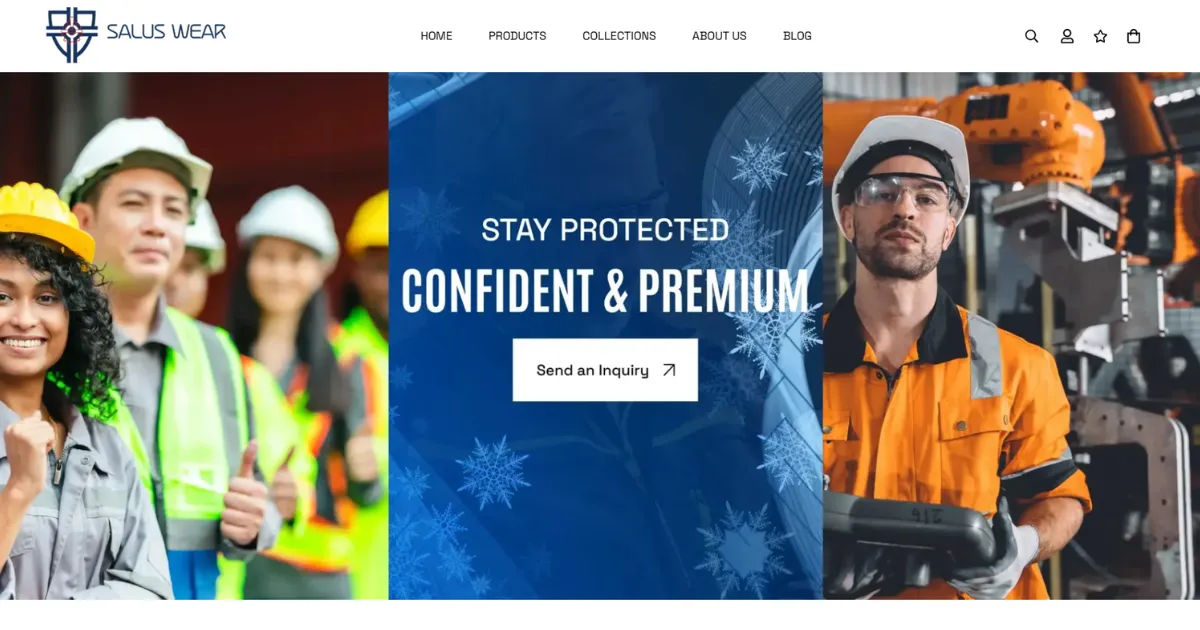
Understanding how Salus Flame Resistant Workwear fits can help workers select the right size, understand the intended cut, and make better decisions when purchasing work clothing. Fit can vary depending on the specific garment, such as shirts, jackets, trousers, coveralls, or specialized protective clothing.
This guide explains the main factors that affect fit, including sizing, body measurements, movement, layering, garment design, and personal comfort. It also explains how to check whether your workwear fits correctly before wearing it on the job.
The Fit of Salus Flame Resistant Workwear
The fit of Salus Flame Resistant Workwear is generally intended to provide a balance between protection, comfort, and freedom of movement. Protective workwear should not fit like ordinary casual clothing. Workers often need enough room to bend, reach, climb, sit, and perform other tasks without feeling restricted.
At the same time, excessive looseness is not ideal. Extra fabric can become inconvenient during physical work and may interfere with other equipment or workplace procedures.
The correct fit should allow natural movement while keeping the garment positioned properly on the body. This means the correct size is not necessarily the same size a person wears in everyday clothing.
Why Proper Fit Matters
Fit matters for several reasons. First, comfortable clothing can make long work shifts easier. Workers who spend eight, ten, or twelve hours in protective clothing need garments that do not constantly pull, pinch, or rub.
Second, proper sizing allows the garment to move naturally with the body. A worker should be able to raise their arms, bend their knees, walk, and perform job-related tasks without excessive restriction.
Third, workwear is often worn with other protective equipment. A shirt may need to accommodate an undershirt, while trousers may need to work comfortably with safety footwear or other equipment.
How to Choose the Correct Size
The best way to determine the right size for Salus Flame Resistant Workwear is to use the manufacturer's specific sizing information rather than relying entirely on your usual clothing size.
Workwear sizing can differ between brands and garment styles. A medium in one product may not provide exactly the same measurements as a medium in another.
Before ordering, measure the areas that are relevant to the garment. For shirts and jackets, chest, waist, sleeve length, and sometimes shoulder measurements are useful. For trousers, waist, hips, and inseam measurements are particularly important.
Measure Your Chest
For upper-body garments, chest measurement is one of the most useful starting points.
Use a flexible measuring tape and place it around the fullest part of the chest. Keep the tape level without pulling it excessively tight. Stand naturally rather than expanding your chest or holding your breath.
The measurement should reflect your normal body shape. This helps you compare your dimensions with the manufacturer's sizing chart.
Measure Your Waist
For trousers and coveralls, waist measurement is equally important.
Measure around the area where the garment is intended to sit. Do not pull the tape tightly against your body. A little room is necessary for comfortable movement and normal breathing.
If you plan to wear a base layer underneath your workwear, consider how that additional layer will affect the final fit.
Check Your Inseam
Inseam length determines where trousers sit around the ankle and footwear.
A length that is too short can expose the lower leg or feel restrictive when sitting or bending. A length that is too long can bunch around safety boots and become uncomfortable.
When selecting Salus Flame Resistant Workwear, compare your inseam measurement with the available garment lengths whenever sizing information provides this option.
The Importance of Comfortable Movement
Protective workwear should allow workers to perform their normal tasks without unnecessary restriction. This is particularly important in jobs that involve climbing, lifting, crouching, reaching, or working in confined positions.
When trying on Salus Flame Resistant Workwear, perform several simple movements. Raise your arms above your head, bend forward, squat, sit down, and walk around.
Pay attention to areas where the garment pulls or becomes tight.
A shirt should not rise excessively when you raise your arms. Trousers should not become uncomfortably tight around the waist, hips, or thighs when you bend.
Check the Shoulder Area
Shoulder fit is especially important for shirts, jackets, and coveralls.
The shoulder seams should sit reasonably close to the natural shoulder area. If the seams sit far beyond the shoulders, the garment may be too large.
If the seams pull toward the neck or the upper back feels restricted, the garment may be too small or have an unsuitable cut for your body shape.
Check the Sleeves
Sleeves should provide enough length for normal movement without becoming excessively long.
Raise and extend your arms to check the sleeve position. The cuffs should remain reasonably comfortable during movement.
For protective clothing, sleeve coverage can be especially important, so avoid choosing a size simply because the torso feels comfortable if the sleeves are clearly too short.
How Salus Flame Resistant Workwear Fits Different Garments
Different types of protective clothing can have different fitting requirements. A work shirt may have a different cut from trousers or coveralls.
Understanding these differences makes it easier to select appropriate workwear.
Shirts and Tops
A flame-resistant work shirt should provide enough room across the chest and shoulders. It should not pull tightly across the buttons or seams.
At the same time, an excessively oversized shirt may feel bulky and interfere with movement.
The length should provide adequate coverage during normal work activities. When you reach upward or bend over, the shirt should remain reasonably positioned.
Trousers
Protective trousers should fit comfortably around the waist and hips without excessive pressure.
The seat and thighs need sufficient room for bending, climbing, and sitting. Tight trousers can make these movements difficult during a long shift.
The leg should also work properly with the worker's footwear. Excessive fabric around the lower leg can cause bunching, while an overly short leg may provide inadequate coverage.
Coveralls
Coveralls require particular attention because they combine upper- and lower-body measurements into one garment.
A properly fitted coverall should provide enough room for the torso, shoulders, arms, hips, and legs.
When trying on Salus Flame Resistant Workwear coveralls, sit down, bend, reach, and squat. If the garment pulls strongly at the shoulders, crotch, or back, a different size or style may be necessary.
Fit and Layering
Workers may not wear flame-resistant garments directly against the skin. Depending on workplace requirements and environmental conditions, additional compatible layers may be worn underneath.
This makes layering an important consideration when choosing Salus Flame Resistant Workwear.
A garment that fits perfectly over a lightweight base layer may feel too tight when worn over thicker clothing.
Think about the conditions in which the workwear will be used. If you regularly wear an undershirt or thermal layer, allow enough room for it without creating excessive looseness.
Avoid Excessive Tightness
Tight clothing can restrict movement and become uncomfortable over long shifts.
It can also make layering difficult. A worker who chooses a very close-fitting garment may find that adding a required base layer makes the clothing uncomfortable.
The goal should be a functional fit rather than simply selecting the smallest size that can be worn.
Avoid Excessive Looseness
Oversized workwear can also create problems.
Too much fabric may catch on workplace objects, interfere with movement, or simply make physical tasks more difficult.
The correct approach is to select a size that provides practical room without creating unnecessary bulk.
Does the Fit Change After Washing?
The fit of Salus Flame Resistant Workwear can be affected by laundering, depending on the fabric, garment construction, and care process.
Always follow the garment's care instructions. Incorrect washing or drying practices can affect the appearance, dimensions, and performance of protective clothing.
Avoid assuming that all workwear can be washed in exactly the same way as ordinary cotton clothing.
Follow the Care Label
The care label provides important information about washing temperatures, drying, ironing, and other maintenance requirements.
Following these instructions helps preserve the garment's intended characteristics.
If a garment becomes noticeably smaller, damaged, excessively worn, or otherwise unsuitable after laundering, it should not simply be assumed to remain appropriate for protective use.
How to Tell If the Fit Is Correct
There are several simple signs that Salus Flame Resistant Workwear fits properly.
The garment should allow you to perform normal job movements without significant restriction. Seams should not continuously pull or strain. Buttons, zippers, and closures should remain comfortable and properly positioned.
You should also be able to sit, stand, walk, bend, and reach without the garment becoming excessively tight or shifting in an uncomfortable way.
Signs the Garment Is Too Small
A garment may be too small if:
-
Buttons pull noticeably across the chest.
-
The shoulders feel restricted.
-
Sleeves become too short when reaching.
-
The waistband digs into the body.
-
Trousers restrict bending or squatting.
-
The coverall pulls strongly across the back or crotch.
-
Normal movement feels uncomfortable.
These signs suggest that a larger size or different garment cut may be more appropriate.
Signs the Garment Is Too Large
A garment may be too large if:
-
There is excessive fabric around the body.
-
Sleeves extend far beyond the wrists.
-
Trouser legs bunch excessively.
-
The waistband cannot remain comfortably positioned.
-
The shoulders extend significantly beyond the natural shoulder line.
-
Movement feels awkward because of excessive material.
A slightly relaxed fit can be useful for workwear, but there is a difference between practical room and excessive looseness.
Fit, Comfort, and Workplace Performance
Comfort is more than a personal preference when protective clothing is worn throughout a work shift.
Uncomfortable workwear can become distracting. A worker may repeatedly adjust a waistband, pull down a shirt, or reposition sleeves. These small distractions can become frustrating over several hours.
Well-fitted Salus Flame Resistant Workwear can help workers focus more easily on their tasks because the clothing moves naturally with them.
However, comfort should never be considered separately from the garment's protective purpose. Workers should always make sure their chosen clothing is suitable for the hazards identified in their workplace.
Consider Your Job Duties
The best fit may depend on the type of work you perform.
Someone who spends most of the day walking may have different requirements from someone who frequently climbs ladders or works in a crouched position.
Mechanics, maintenance workers, industrial technicians, electricians, welders, and other workers may all have different movement requirements.
When selecting Salus Flame Resistant Workwear, think about your actual work routine rather than how the garment feels while standing still in a fitting room.
Consider Your Work Environment
Temperature can also influence comfort.
In hot conditions, bulky or excessively layered clothing can feel uncomfortable. In cold environments, workers may need additional compatible layers.
The ideal fit should account for the conditions in which the clothing will actually be worn.
Can You Alter Flame-Resistant Workwear?
Alterations to protective workwear should be approached carefully.
Do not assume that ordinary tailoring practices are suitable for flame-resistant garments. Changing seams, adding materials, removing components, or modifying the construction can affect the garment's intended design and protective characteristics.
If a garment does not fit correctly, selecting the appropriate size or an alternative approved style is generally preferable to making unauthorized modifications.
For workplace-specific requirements, consult the manufacturer, supplier, or responsible safety professional.
Buying the Right Fit Online
Buying Salus Flame Resistant Workwear online can be convenient, but sizing requires additional attention because you cannot try the garment on before purchasing.
Start by taking accurate body measurements. Then compare them with the product's official sizing chart.
Do not automatically select the size you normally wear in casual clothing.
Also check the product description for information about the garment's cut, available lengths, intended layering, and other relevant details.
If you are between sizes, consider your intended use and layering requirements rather than making the decision based only on appearance.
Final Fit Checklist
Before wearing new workwear for a full shift, perform a quick fit check.
Make sure the garment:
-
Fits comfortably around the chest and waist.
-
Allows natural arm and leg movement.
-
Provides suitable sleeve and trouser length.
-
Does not pull excessively when bending or reaching.
-
Works comfortably with required layers.
-
Does not create excessive loose fabric.
-
Allows normal use of workplace equipment.
-
Has no obvious damaged or stressed seams.
-
Is maintained according to the manufacturer's care instructions.
This simple checklist can help identify fit problems before they become an issue during work.
Conclusion
So, how does Salus Flame Resistant Workwear fit? The answer depends on the particular garment, body measurements, intended layering, and the physical demands of the job. The ideal fit should provide enough room for natural movement while avoiding excessive looseness or unnecessary bulk.
Workers should use the manufacturer's sizing information rather than relying solely on their normal clothing size. Accurate measurements of the chest, waist, hips, inseam, and other relevant areas can make the selection process much easier.
A proper fit is particularly important for shirts, trousers, jackets, and coveralls because each garment interacts with the body differently. Coveralls require careful attention to torso and shoulder room, while trousers need sufficient space around the waist, hips, thighs, and legs.
When trying on Salus Flame Resistant Workwear, perform realistic movements such as reaching, bending, sitting, squatting, and walking. These movements reveal fit problems that may not be noticeable while standing still.
Layering should also be considered. If additional clothing is normally worn underneath, the workwear should provide sufficient room without becoming excessively loose.
Finally, remember that fit is only one part of choosing protective workwear. The garment must also be appropriate for the hazards, workplace requirements, and applicable protective standards. Always follow the manufacturer's instructions and your employer's safety procedures.
When the right size, garment design, and workplace requirements are considered together, Salus Flame Resistant Workwear can provide a practical combination of comfort, mobility, and protective functionality for demanding work environments.